


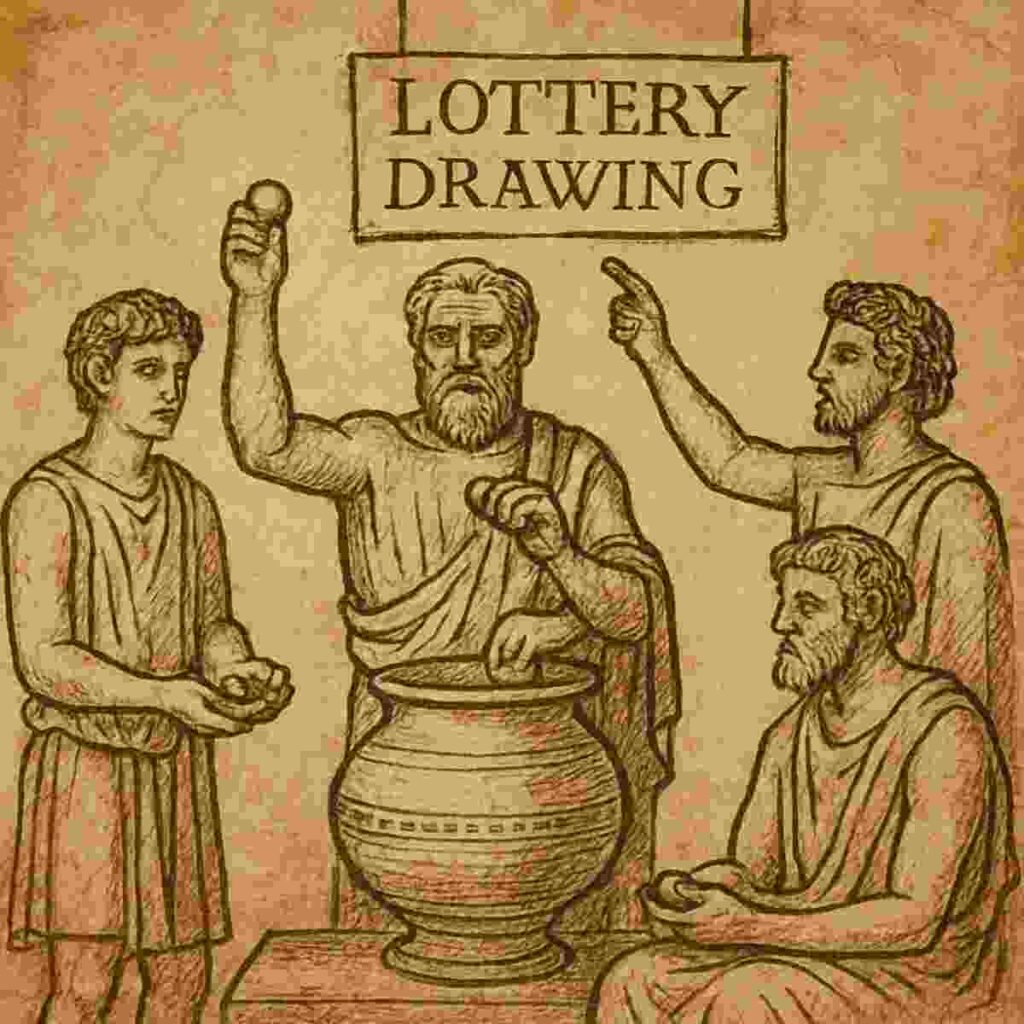
Lotteries have a fascinating history that spans centuries and continents. From ancient times to the modern-day, lotteries have evolved significantly, capturing the imaginations of millions around the world. This article delves into the rich history of lotteries, their evolution over time, and their impact on society. Check out the Best info about situs toto.
Lotteries date back to ancient civilizations. The earliest recorded lotteries were held in China during the Han Dynasty, around 205 to 187 BC. These early lotteries were used to fund major government projects, including the Great Wall of China. The concept was simple: participants would purchase tickets, and winners were selected through a random draw.
Lotteries in Ancient China
The Chinese Han Dynasty’s lottery system was revolutionary for its time. It involved a rudimentary form of keno, where players picked numbers, and the winning numbers were drawn using a method akin to modern lotteries. These lotteries were not just games of chance; they served as a crucial financial instrument for the state. By engaging the public in these games, the government effectively raised the necessary funds for monumental architectural projects, such as the Great Wall.
Roman Empire Lotteries
In Europe, lotteries appeared during the Roman Empire. They were often organized as entertainment at dinner parties, where guests received tickets, and winners were awarded prizes, usually in the form of fancy dinnerware. These lotteries were less about raising funds and more about displaying wealth and generosity. The emperors, particularly Augustus Caesar, used lotteries to distribute gifts during Saturnalia, a festival that involved much merrymaking.
Medieval European Lotteries
Lotteries gained popularity during the Middle Ages and the Renaissance in Europe. In the 15th century, towns in Flanders (modern-day Belgium) used lotteries to raise funds for fortifications and aid the poor. The first recorded public lottery was held in 1445 in the town of L’Ecluse, with prizes including cash and goods. These lotteries were pivotal in providing financial resources for communities, enabling them to enhance infrastructure and support the less fortunate.
The Middle Ages and Renaissance
Lotteries gained popularity during the Middle Ages and the Renaissance in Europe. This era saw lotteries being used not only as a form of entertainment but also as a means to address societal needs.
Flanders’ Contribution to Lotteries
The 15th century saw towns in Flanders pioneering lotteries to support community projects. These lotteries were not just about raising money; they were communal events that brought townspeople together. The funds collected were often directed towards building fortifications to protect against invasions and to assist the needy in the community. The success of Flanders’ lotteries set a precedent that spread across Europe, influencing the ways in which lotteries could be utilized for public good.
The Italian Influence
By the 16th century, lotteries had spread to Italy, with the first Italian lottery held in 1530 in Florence. The Italian lotteries were more sophisticated, often involving complex games and larger prizes. The popularity of these lotteries was immense, drawing participants from various regions. The success of the Florentine lottery model led to its adoption by other European countries, which recognized the potential of lotteries as lucrative ventures.
Expanding Across Europe
The success of these lotteries prompted other European countries to adopt similar schemes. Countries like France, England, and the Netherlands saw lotteries as effective tools for raising funds for public works and charitable endeavors. By the late Renaissance, lotteries had become an integral part of European culture, deeply embedded in the social and economic fabric of the time.
Lotteries in the New World
The concept of lotteries made its way to the New World with European settlers. In the early colonial period of America, lotteries were used to fund public projects, such as roads, bridges, and schools.
Early American Lotteries
The Virginia Company of London held one of the first American lotteries in 1612 to raise funds for the Jamestown settlement. These early American lotteries were crucial for the fledgling colonies, providing necessary capital to support infrastructure development and community growth. The settlers relied heavily on lotteries, as they were one of the few viable means of generating revenue in the new land.
Lotteries and Colonial Development
Lotteries played a significant role in the expansion and development of the American colonies. They funded the construction of essential structures, including roads, bridges, and public buildings. The success of lotteries in providing financial support for these projects demonstrated their effectiveness as a tool for colonial development. The public’s engagement in lotteries was a testament to their trust and belief in the potential of this fundraising method.
Scandals and Regulation
Lotteries continued to be a popular fundraising tool throughout the 18th and 19th centuries. In the United States, they were used to finance the construction of colleges like Harvard, Yale, and Princeton. However, the lack of regulation led to abuses and scandals, which tarnished the reputation of lotteries. By the late 19th century, many states had banned lotteries altogether. It wasn’t until the mid-20th century that lotteries began to make a comeback in the United States.
The Modern Lottery Era

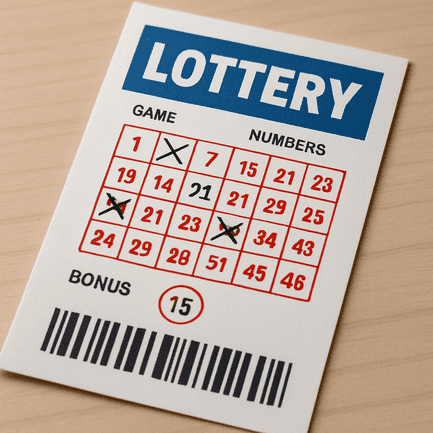
The modern lottery era began in the 1960s when states started to reintroduce lotteries as a means of generating revenue without raising taxes. In 1964, New Hampshire became the first state to establish a modern lottery. Following its success, other states quickly followed suit.
Reintroduction and Growth
The reintroduction of lotteries in the 1960s marked a significant turning point. New Hampshire’s success story inspired other states to reconsider lotteries as viable financial instruments. The modern lottery was designed to be more regulated, transparent, and efficient, addressing the issues that had plagued earlier iterations. This new approach ensured public trust and encouraged widespread participation.
Economic Impact
Today, lotteries are a significant source of revenue for many states. The money raised is often allocated to education, infrastructure, and other public services. Lotteries have become crucial in bridging budgetary gaps, enabling states to fund essential projects without overburdening taxpayers. Two notable examples in the United States are the Delaware Lottery and the CT Lottery, both of which contribute significantly to their respective state budgets.
Global Expansion
The success of lotteries in the United States prompted their expansion on a global scale. Countries around the world began adopting lotteries as a means of boosting revenue. Each country tailored its lottery system to fit its cultural and economic context, leading to a diverse range of lottery games and formats. The global appeal of lotteries is a testament to their adaptability and effectiveness as fundraising mechanisms.
Technological Advancements
With the advent of technology, lotteries have evolved in several ways. The introduction of computerized systems has made it easier to conduct draws and manage ticket sales.
Computerized Draws
The integration of computerized systems revolutionized the way lotteries operate. These systems ensured accuracy and fairness in the draw process, minimizing human error and potential fraud. Computerized draws also streamlined operations, making it easier to manage large-scale lotteries with numerous participants. This technological advancement increased public confidence and participation in lotteries.
Online Lotteries
Additionally, online lotteries have gained popularity, allowing players to participate from the comfort of their homes. The rise of the internet and digital platforms enabled lotteries to reach a broader audience, breaking geographical barriers. Online lotteries offer convenience and accessibility, attracting tech-savvy players who prefer digital interactions. This shift towards online platforms has also allowed for innovative game formats and interactive experiences.
Innovative Lottery Games
The use of technology has also introduced new types of lottery games. Instant win games, scratch-offs, and multi-state lotteries like Powerball and Mega Millions have become household names, offering players the chance to win life-changing sums of money. These games incorporate engaging elements and diverse prize structures, appealing to a wide range of participants. The innovation in lottery games reflects the industry’s adaptability and commitment to providing exciting experiences for players.
The Impact of Lotteries on Society
Lotteries have had a significant impact on society, both positively and negatively. On the positive side, lotteries provide substantial funding for public services and projects.
Funding Public Services
Lotteries have helped build schools, hospitals, and infrastructure, benefiting communities across the globe. The funds generated from lottery sales are often earmarked for specific public services, ensuring that the revenue directly benefits the community. This targeted allocation has contributed to the development of essential services, enhancing the quality of life for citizens. The positive impact of lotteries on public services is one of their most significant contributions to society.
Socioeconomic Concerns
However, lotteries are not without criticism. Some argue that they can encourage gambling addiction and disproportionately affect low-income individuals who may spend a larger portion of their income on tickets. The accessibility and allure of lotteries can lead to problematic gambling behaviors, affecting individuals and families. Critics emphasize the need for responsible gaming measures to mitigate these negative effects and protect vulnerable populations.
Economic Redistribution
Despite these concerns, lotteries remain a popular form of entertainment and fundraising. They serve as a means of economic redistribution, where funds collected from participants are reinvested into community projects. While the ethics of lotteries as a form of taxation are debated, their role in supporting public initiatives is undeniable. The balance between the benefits and drawbacks of lotteries continues to be a topic of discussion among policymakers and society.
Responsible Gaming
To address the potential negative impacts of lotteries, many states and countries have implemented responsible gaming measures. These measures include age restrictions, self-exclusion programs, and resources for individuals seeking help with gambling addiction.
Age Restrictions and Awareness
Age restrictions are a fundamental component of responsible gaming policies. By setting minimum age limits, authorities aim to protect young individuals from the potential harms of gambling. Additionally, educational campaigns raise awareness about the risks associated with gambling, promoting informed decision-making among players. These efforts are crucial in fostering a culture of responsibility and caution in lottery participation.
Self-Exclusion Programs
Self-exclusion programs offer individuals the option to voluntarily exclude themselves from participating in lotteries. These programs are designed to support those who recognize their gambling habits as problematic. By providing a structured way to limit access, self-exclusion programs empower individuals to take control of their gambling behaviors. The availability of these programs underscores the importance of personal accountability in responsible gaming.
Support and Resources
For individuals struggling with gambling addiction, access to support and resources is vital. Many lottery organizations collaborate with counseling services and helplines to offer assistance to those in need. By providing a network of support, these initiatives help individuals address their gambling issues and work towards recovery. The commitment to supporting players demonstrates the industry’s dedication to promoting a safe and healthy gaming environment.
The Future of Lotteries
As technology continues to advance, the future of lotteries looks promising. The integration of blockchain technology and digital currencies could revolutionize the way lotteries operate, offering increased transparency and security.
Blockchain and Transparency
Blockchain technology has the potential to transform lotteries by providing a transparent and immutable record of transactions. This technology can enhance trust among participants, as every transaction and draw result is securely recorded on a decentralized ledger. The use of blockchain can also reduce the likelihood of fraud, ensuring that lotteries operate with integrity and fairness. The adoption of blockchain in lotteries represents a significant step towards a more transparent and accountable industry.
Digital Currencies and Payment Solutions
The rise of digital currencies offers new opportunities for lotteries to modernize their payment systems. Cryptocurrencies can facilitate seamless and secure transactions, appealing to a tech-savvy audience. By integrating digital currencies, lotteries can attract a broader demographic, including international players. This shift towards digital payment solutions reflects the evolving preferences of consumers and the need for innovative approaches in the lottery industry.
Mobile Apps and Player Engagement
Additionally, the rise of mobile apps and digital platforms may further expand the reach of lotteries, attracting new generations of players. Mobile apps offer convenience and accessibility, allowing players to purchase tickets, check results, and participate in games on the go. The integration of interactive features and personalized experiences enhances player engagement, creating a dynamic and enjoyable gaming environment. The future of lotteries lies in their ability to adapt to changing technologies and consumer expectations.
In conclusion, the history and evolution of lotteries showcase their enduring appeal and impact on society. From their ancient origins to their modern incarnations, lotteries have proven to be a versatile and effective means of fundraising and entertainment. As we look to the future, it will be interesting to see how lotteries continue to adapt and thrive in an ever-changing world. The ongoing advancements in technology and the commitment to responsible gaming will shape the future trajectory of lotteries, ensuring their continued relevance and success.