


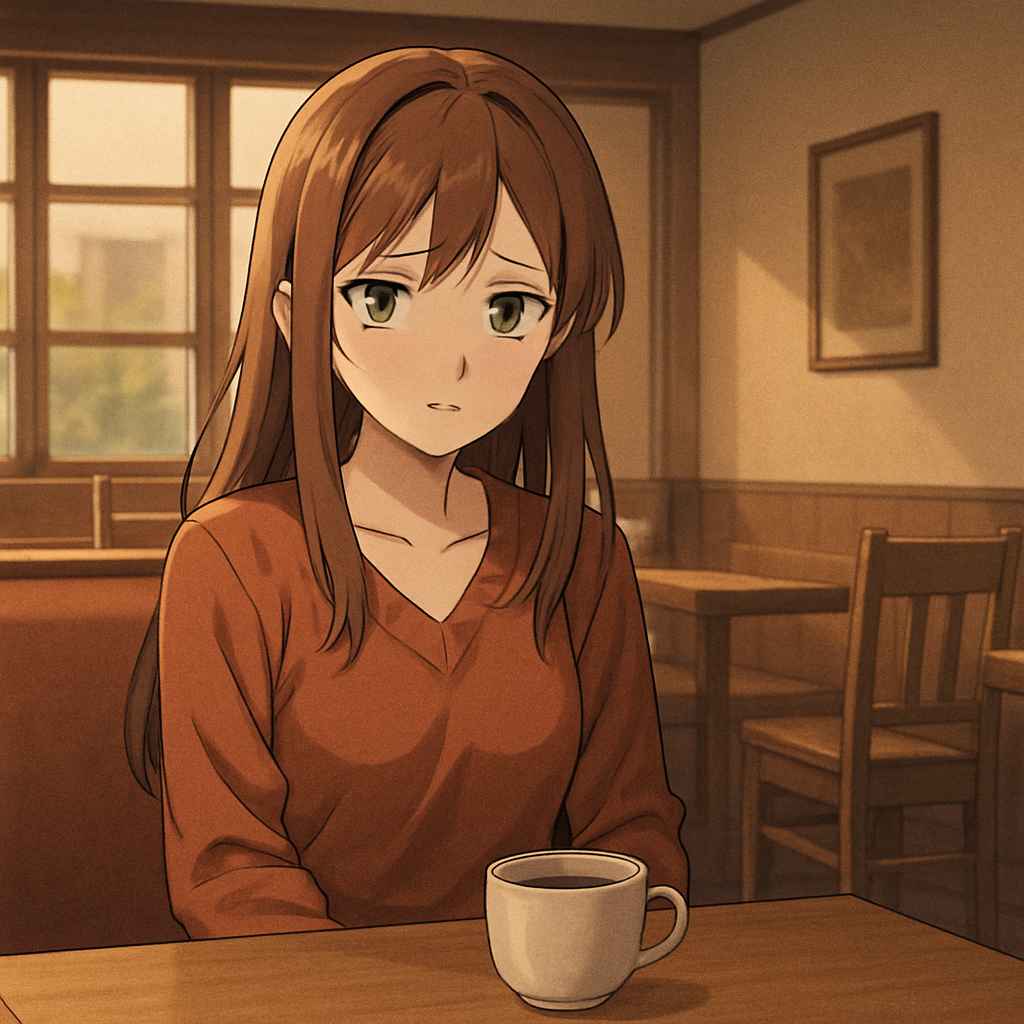
So, you’ve stumbled upon the intriguing world of visual novels and found yourself captivated by Haha No Omanko. You’re not alone! This visual novel has gained quite the following, and for good reason. Whether you’re an aspiring novelist looking to hone your craft, a content marketer aiming to engage your audience, or a graduate student trying to simplify complex ideas, understanding character development in visual novels like Haha No Omanko can offer valuable insights. Look into the Best info about ورود به سایت بت 303.
The Unique Blend of Storytelling Elements
Before we dive into the nitty-gritty of character analysis, let’s take a moment to appreciate why visual novels are a fantastic medium for storytelling. Visual novels seamlessly combine narrative, dialogue, and artwork to create immersive experiences. This unique blend allows readers to engage with stories on multiple levels, providing a rich tapestry of elements that traditional novels may not offer. The artwork enhances the narrative, setting the mood and helping to convey emotions that words alone may not fully capture.
Interactive Choices and Story Direction
Visual novels are like interactive books where your choices can influence the story’s direction. This level of interactivity sets them apart from other storytelling mediums. Readers are not just passive observers; they become active participants in the unfolding narrative. This engagement increases investment in the story, as readers ponder the consequences of their decisions and how they shape the characters’ journeys.
A Goldmine for Storytelling Techniques
The unique structure of visual novels makes them a goldmine for anyone interested in storytelling techniques. They offer a playground for experimenting with narrative styles, character development, and pacing. By studying visual novels, writers and content creators can learn how to craft compelling narratives that resonate with audiences, exploring techniques that can be applied across various forms of storytelling.
Getting to Know Haha No Omanko
Haha No Omanko is a visual novel that stands out with its compelling narrative and rich character development. The game takes you on a journey filled with twists, turns, and a host of fascinating characters. But what really makes Haha No Omanko shine is its ability to delve deep into the psyche of its characters, making them relatable and memorable.
An Overview of the Plot
Haha No Omanko presents a narrative that is both intricate and engaging, weaving together themes of love, conflict, and personal growth. The plot is designed to challenge the reader’s perceptions, often taking unexpected turns that keep the audience on their toes. This unpredictability is one of the novel’s greatest strengths, as it mirrors the complexity of real-life human experiences.
Exploring Themes and Motifs
The visual novel delves into various themes, such as identity, family dynamics, and societal expectations. These themes are not just surface-level; they are intricately woven into the characters’ lives, influencing their decisions and growth. Motifs like transformation and resilience recur throughout the story, providing a thematic thread that ties the narrative together and deepens the reader’s understanding of the characters.
The Depth of Character Psyche
What truly sets Haha No Omanko apart is its exploration of character psyche. The novel doesn’t shy away from delving into the inner workings of its characters, examining their fears, desires, and motivations. This psychological depth makes the characters feel real and relatable, inviting readers to empathize with their struggles and triumphs.
Main Characters

Let’s break down some of the key characters that drive the story forward. These characters are not just static figures; they evolve, adapt, and face challenges that shape who they are.
Character A: The Protagonist
Our main character is your classic underdog, facing a world that seems to be against them. What makes this character interesting is their resilience and growth throughout the story. As you follow their journey, you’ll notice how their experiences and interactions with other characters lead to significant personal development. The protagonist’s journey is marked by pivotal moments that challenge their beliefs and force them to confront their limitations.
Key Takeaway: When crafting your own characters, consider how their background and experiences influence their decisions and growth. This adds depth and makes them more relatable to your audience. By incorporating personal challenges and growth arcs, you create characters that resonate with readers, encouraging them to root for their success.
Character B: The Antagonist
Every good story needs a formidable antagonist, and Haha No Omanko delivers. This character isn’t just a villain for the sake of being evil. Their motivations are complex, rooted in past experiences and personal beliefs, making them a worthy adversary for the protagonist. The antagonist’s actions are driven by a well-defined moral compass, albeit one that clashes with the protagonist’s values, adding layers to the conflict.
Key Takeaway: A well-developed antagonist should have clear motivations and a backstory that explains their actions. This adds layers to your story and provides opportunities for dynamic conflict. By crafting an antagonist with depth, you create a more engaging and multifaceted narrative that challenges readers’ assumptions and expectations.
Supporting Characters
In addition to the main players, Haha No Omanko features a rich cast of supporting characters, each contributing to the story’s depth. These characters provide different perspectives and challenges, helping to flesh out the world and the protagonist’s journey. Supporting characters serve various roles, from confidants to rivals, each leaving a lasting impact on the protagonist’s development and the overall narrative.
Key Takeaway: Supporting characters are crucial for adding depth to your story. They can serve as confidants, rivals, or mentors, each playing a role in the protagonist’s development. By creating a diverse and well-rounded supporting cast, you enhance the richness of your narrative, providing readers with multiple viewpoints and emotional connections.
Character Development Techniques
So, how can you apply the character development techniques from Haha No Omanko to your own writing? Here are some practical tips:
Create Detailed Character Profiles
Start by creating detailed profiles for your characters. Include their background, motivations, strengths, weaknesses, and goals. This will serve as a roadmap for their development throughout your story. Detailed profiles allow you to maintain consistency in your characters’ actions and decisions, ensuring that they remain believable and relatable.
Show, Don’t Tell
Use dialogue and actions to reveal your characters’ personalities and growth. Instead of telling the reader that a character is brave, show them facing a fear or making a difficult decision. This approach engages the reader more effectively, as they witness the characters’ development through their experiences and choices, creating a more immersive storytelling experience.
Use Conflict to Drive Growth
Conflict is a powerful tool for character development. Whether it’s internal conflict or clashes with other characters, these challenges force your characters to adapt and grow. By placing characters in difficult situations, you reveal their true nature and capabilities, allowing readers to witness their evolution and the impact of their choices.
Let Characters Evolve
Your characters should change over the course of the story. Allow their experiences and interactions to shape their development, leading to a satisfying and believable transformation. Evolution is key to creating dynamic characters that resonate with readers, as it mirrors the natural progression of personal growth and change in real life.
Exercises to Enhance Your Character Development Skills
Ready to put these tips into practice? Here are a few exercises to help you enhance your character development skills:
Character Interviews
Conduct interviews with your characters. Ask them about their background, motivations, and goals. This will help you understand them better and write more authentic dialogue. By engaging in character interviews, you gain insights into their personalities and motivations, which can inform your storytelling and character interactions.
Character Arcs
Outline the arcs for your main characters. Identify key moments of change and growth, and plan how these will be reflected in the story. Character arcs provide a roadmap for your narrative, ensuring that characters undergo meaningful development that resonates with readers and enhances the overall story.
Conflict Scenarios
Create conflict scenarios and write how your characters would react. This will help you understand their personalities and how they handle challenges. By exploring different conflict situations, you can develop a deeper understanding of your characters’ strengths and weaknesses, allowing you to craft more compelling narratives.
Dialogue Practice
Write dialogues between your characters in different situations. Focus on how their speech reveals their personality and relationships with others. Dialogue practice helps you fine-tune your characters’ voices and interactions, ensuring that they remain consistent and authentic throughout the story.
By applying these techniques and exercises, you’ll be well on your way to crafting compelling characters that captivate your readers.
Final Thoughts
Haha No Omanko is more than just a visual novel; it’s a masterclass in character development. By analyzing the characters and their journeys, you can gain valuable insights into crafting your own engaging narratives. Whether you’re writing a novel, creating content, or tackling academic papers, the principles of character development remain the same. Dive into the world of visual novels, and let them inspire your storytelling journey! Through careful analysis and practice, you’ll be equipped to create narratives that resonate with audiences, leaving a lasting impact.