
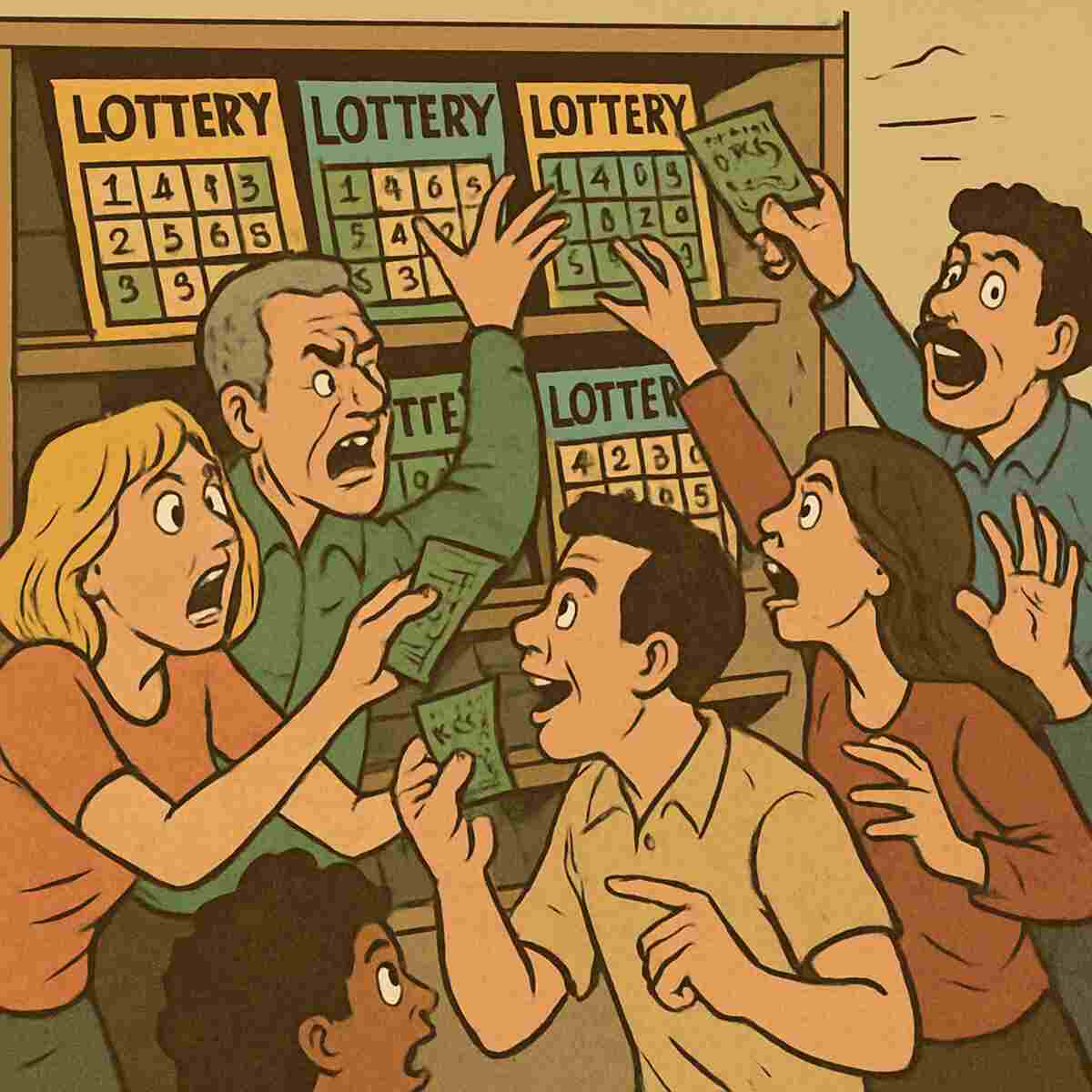

In the realm of comedic television, few shows have achieved the cultural significance of “Saturday Night Live” (SNL). Since its inception in 1975, SNL has provided a satirical mirror to American society, reflecting its idiosyncrasies and absurdities. Among its rich tapestry of sketches, those that delve into the theme of lottery madness have struck a particularly resonant chord. This article explores some of the most iconic SNL sketches that encapsulate the frenzy and folly surrounding lotteries. To learn more, check out olxtoto
The lottery, with its promise of instant wealth and life-altering fortune, has long captivated the imagination of the public. It is a spectacle of hope and despair, a microcosm of the American dream with its tantalizing allure of upward mobility. SNL, with its keen sense of cultural commentary, has often turned its lens toward this phenomenon, crafting sketches that both entertain and provoke thought.
The Lottery as a Cultural Phenomenon
The concept of the lottery is deeply ingrained in American culture, representing a glimmer of hope for those seeking a way out of financial struggles. It embodies the idea that anyone, regardless of their current circumstances, can achieve wealth overnight. This cultural phenomenon is ripe for parody, and SNL seizes the opportunity to dissect the societal implications of this seemingly innocuous pastime.
SNL’s sketches often highlight the bizarre ways people rationalize their lottery spending. Characters in the sketches may justify buying multiple tickets with elaborate theories about “lucky numbers” or “winning strategies.” These portrayals underscore the irrational optimism that many lottery players exhibit, despite the overwhelming odds against them.
In addition to individual aspirations, the lottery also serves as a reflection of collective hopes. Communities often rally around the excitement of a big jackpot, with local news outlets providing breathless coverage. SNL captures this communal fervor, poking fun at the way entire towns can become swept up in lottery fever.
“Lottery Fever” – A Classic Exploration
One of the quintessential SNL sketches that delves into lottery mania is “Lottery Fever.” This sketch brilliantly captures the escalating excitement and irrational behavior that often accompanies large lottery jackpots. The setup is simple yet effective: a local news team reports on the rapidly growing lottery craze as the jackpot reaches astronomical figures.
As the sketch unfolds, we witness the transformation of ordinary citizens into frenzied lottery players, each convinced that they possess the winning ticket. The humor lies in the exaggeration of their behaviors—quitting jobs, making lavish plans, and discarding caution to the wind—all based on the slim chance of winning. The sketch effectively uses hyperbole to highlight the absurdity of the situation, making viewers both laugh and reflect on their own lottery fantasies.
SNL masterfully uses this sketch to satirize the often irrational optimism that surrounds lottery participation, highlighting both the comedic and tragic aspects of the phenomenon. The exaggerated reactions of the characters serve as a mirror to the audience, prompting them to consider how they might behave in a similar situation.
The sketch also touches on the darker side of lottery mania, as characters grapple with the consequences of their actions. Some may lose their jobs, while others face strained relationships due to their newfound obsession. Through humor, SNL provides a sobering reminder of the potential pitfalls of chasing the lottery dream.
The Psychology of Lottery Obsession
The allure of the lottery taps into fundamental aspects of human psychology, such as risk-taking and the appeal of instant gratification. SNL’s sketches often explore these psychological elements, using humor to highlight the contradictions inherent in lottery participation.
One common theme in SNL’s lottery sketches is the notion of “magical thinking,” where characters believe that their actions or rituals can influence the outcome of the lottery. This type of thinking is prevalent among lottery players, who may develop elaborate routines or superstitions in the hope of increasing their chances of winning.
Additionally, SNL’s sketches often highlight the cognitive dissonance experienced by lottery players. Despite knowing the odds are stacked against them, characters continue to invest time and money into the lottery, convinced that their luck will eventually turn. This tension between logic and desire is a rich source of comedy, as SNL characters navigate the line between hope and delusion.
The sketches also explore the social dynamics that arise from lottery participation. Characters may experience envy or resentment towards those who win, leading to humorous yet poignant interactions. Through these sketches, SNL offers insights into the complex emotions that underpin the lottery experience.
The Mechanics of Lottery Humor
The humor in SNL’s lottery sketches often stems from the juxtaposition of ordinary life with the extraordinary promises of lottery winnings. This contrast creates a fertile ground for satire, as characters navigate the thin line between hope and delusion.
“The Winning Numbers” – A Study in Irony
Another memorable sketch that exemplifies SNL’s approach to lottery humor is “The Winning Numbers.” In this sketch, a group of coworkers gathers around a television, eagerly awaiting the announcement of the lottery numbers. The tension is palpable as each number is revealed, with the anticipation building to a crescendo.
The punchline arrives when one of the characters realizes they’ve misread the numbers, leading to a collective groan of disappointment. The sketch cleverly plays on the theme of misplaced hope, emphasizing the irony and futility inherent in the lottery craze. The humor is derived from the characters’ dramatic reactions to the realization that their dreams of wealth have been dashed.
The sketch also highlights the communal aspect of lottery participation. As the coworkers share in the anticipation and subsequent letdown, SNL underscores the shared experience of lottery players. This communal disappointment serves as a microcosm of the broader societal fascination with the lottery, where millions of individuals collectively pin their hopes on a single outcome.
Through its use of irony, SNL encourages viewers to reflect on the irrationality of placing so much importance on a game of chance. By portraying the characters’ exaggerated reactions, the sketch invites the audience to laugh at their own tendencies to get swept up in lottery fever.
The Power of Anticipation in Comedy
Anticipation is a powerful tool in comedy, and SNL expertly uses it to heighten the humor in its lottery sketches. By building suspense and tension, the show creates a fertile environment for comedic payoff, often subverting expectations to deliver a punchline that resonates with viewers.
In lottery-themed sketches, anticipation often centers around the revealing of the winning numbers. Characters are depicted holding their breath, crossing their fingers, or engaging in superstitious rituals to influence the outcome. This buildup creates a sense of shared excitement and vulnerability, as the audience becomes invested in the characters’ hopes and dreams.
The eventual punchline, whether it involves a misread number or an unexpected twist, serves to release the built-up tension, eliciting laughter from the audience. This release is often accompanied by a moment of reflection, as viewers recognize the absurdity of the situation and the futility of relying on chance for happiness.
SNL’s use of anticipation in lottery sketches highlights the show’s ability to craft comedy that is both engaging and thought-provoking. By tapping into the universal experience of hope and disappointment, SNL creates sketches that resonate with audiences on multiple levels.
Satirical Commentary on Lottery Culture
SNL’s lottery sketches often serve as a vehicle for satirical commentary on the broader cultural obsession with wealth and success. Through humor, the show critiques the societal values that underpin the lottery phenomenon, offering a lens through which to examine the impact of these values on individual behavior.
One recurring theme in SNL’s lottery sketches is the portrayal of characters who place their hopes for a better future solely in the hands of the lottery. This reliance on chance is depicted as both humorous and tragic, as characters neglect more practical avenues for achieving success. Through satire, SNL highlights the dangers of adopting a lottery mentality, where individuals prioritize short-term gains over long-term planning.
The sketches also explore the ways in which lottery participation can exacerbate existing societal inequalities. Characters may be shown spending money they can’t afford on tickets, hoping for a miracle that will lift them out of poverty. This portrayal serves as a critique of the systemic issues that drive individuals to seek out the lottery as a means of escape.
By using humor to address these complex themes, SNL encourages viewers to critically examine their own attitudes toward wealth and success. The show’s lottery sketches serve as a reminder that while the allure of the lottery may be strong, it is ultimately a reflection of deeper cultural values and societal dynamics.
Cultural Reflections Through Comedy
Lottery-themed sketches on SNL often serve as a microcosm of broader societal themes, offering a lens through which to examine cultural attitudes toward wealth and chance. These sketches not only entertain but also provoke reflection on the societal values they parody.
“The Office Pool” – A Commentary on Collective Folly
“The Office Pool” is a prime example of how SNL uses the lottery theme to explore collective behavior and the herd mentality. In this sketch, a group of office workers bands together to purchase lottery tickets, believing that pooling their resources increases their odds of winning.
As the sketch progresses, the characters’ interactions reveal the absurdity of their expectations and the fragile alliances formed by shared dreams of wealth. The humor arises from the contrast between their collective optimism and the statistical improbability of winning. The sketch effectively illustrates the ways in which group dynamics can amplify irrational behavior, as individuals become swept up in a shared fantasy.
The office pool serves as a microcosm of society at large, where individuals often join forces in pursuit of a common goal, despite the odds being stacked against them. Through humor, SNL highlights the pitfalls of groupthink and the tendency for people to overlook rational decision-making in favor of collective excitement.
The sketch also explores the potential consequences of collective lottery participation. As characters navigate the complexities of shared winnings and potential betrayals, SNL offers a humorous yet insightful look at the challenges that arise when money and friendship intersect. The show prompts viewers to consider the impact of financial windfalls on relationships and the ways in which the pursuit of wealth can strain social bonds.
The Role of Humor in Social Critique
SNL’s lottery sketches demonstrate the power of humor as a tool for social critique. By using comedy to address complex societal issues, the show engages audiences in a dialogue about cultural values and behaviors, encouraging them to reflect on their own attitudes and actions.
Humor allows SNL to broach sensitive topics, such as economic inequality and the pursuit of wealth, in a way that is both accessible and thought-provoking. The show’s sketches often employ exaggeration and satire to highlight the absurdity of societal norms, prompting viewers to question the status quo and consider alternative perspectives.
Through its lottery-themed sketches, SNL challenges audiences to examine the underlying motivations that drive individuals to participate in the lottery. The show critiques the societal emphasis on material success and the idea that wealth is a measure of personal worth, offering a counter-narrative that values community, creativity, and resilience.
By combining humor with social commentary, SNL creates a space for audiences to engage with important cultural issues in a way that is both entertaining and enlightening. The show’s lottery sketches serve as a reminder that comedy can be a powerful vehicle for change, encouraging viewers to laugh while also reflecting on the world around them.
The Impact of Lottery Sketches on Cultural Discourse
SNL’s lottery sketches have had a lasting impact on cultural discourse, shaping the way audiences perceive and engage with the lottery phenomenon. By highlighting the contradictions and absurdities inherent in lottery participation, the show has contributed to a broader conversation about the role of chance in achieving success.
The sketches have also influenced the way other media portray the lottery, inspiring films, television shows, and advertisements that draw on similar themes. SNL’s ability to capture the zeitgeist and offer incisive commentary on cultural phenomena has cemented its place as a cultural touchstone, influencing the way audiences think about the lottery and its place in society.
Through its lottery sketches, SNL has sparked discussions about the ethics of lottery advertising, the societal implications of lottery revenue, and the impact of lottery participation on individual behavior. The show’s satirical approach has encouraged audiences to critically examine the lottery industry and consider the broader societal factors that drive individuals to seek out the lottery as a means of achieving success.
As SNL continues to evolve and adapt its comedic lens to contemporary cultural contexts, its lottery sketches serve as a testament to the show’s enduring ability to capture the complexities of human nature and the timeless allure of the lottery dream.
The Evolution of SNL’s Lottery Sketches
Over the decades, SNL’s approach to lottery-themed sketches has evolved, reflecting changes in societal attitudes and the show’s own comedic sensibilities. Early sketches often focused on the sheer absurdity of lottery mania, while more recent iterations have explored the nuanced dynamics of hope, greed, and disappointment.
“Lottery Lovers” – A Modern Twist
In the more contemporary sketch “Lottery Lovers,” SNL shifts its focus to the personal relationships affected by lottery fever. The sketch portrays a couple’s interactions as they imagine how their lives would change if they won the lottery. The humor is derived from their escalating fantasies and the underlying tension between their desires and reality.
This evolution in SNL’s approach underscores the show’s ability to remain relevant by adapting its comedic lens to contemporary cultural contexts. By exploring the personal impact of lottery participation, SNL delves into the emotional complexities of hope and desire, offering a more nuanced portrayal of the lottery phenomenon.
The sketch also highlights the ways in which the lottery can catalyze introspection and self-discovery. As the characters confront their fantasies and the realities of their relationship, they are forced to reevaluate their priorities and consider the true meaning of happiness. Through humor, SNL encourages viewers to reflect on their own aspirations and the role of chance in shaping their lives.
Adapting to Changing Cultural Attitudes
SNL’s lottery sketches have evolved in response to shifting cultural attitudes toward wealth and success. As societal values change, the show has adapted its comedic lens to reflect these changes, offering new perspectives on the lottery phenomenon and its impact on individuals and communities.
In recent years, SNL has explored the ethical implications of lottery advertising, critiquing the ways in which the lottery industry targets vulnerable populations and exploits their hopes for a better future. Through satire, the show highlights the need for greater transparency and accountability in the lottery industry, encouraging viewers to consider the broader societal implications of lottery participation.
The show’s evolving approach to lottery sketches also reflects a growing awareness of the psychological and emotional impact of lottery participation. By exploring the personal and relational dynamics of lottery fever, SNL offers a more nuanced portrayal of the lottery experience, emphasizing the complexities of hope, desire, and disappointment.
The Role of SNL in Shaping Cultural Narratives
SNL has played a significant role in shaping cultural narratives about the lottery, using humor to challenge societal norms and spark conversations about the role of chance in achieving success. Through its lottery sketches, the show has contributed to a broader dialogue about the ethics of lottery participation and the societal factors that drive individuals to seek out the lottery as a means of achieving success.
By offering incisive commentary on cultural phenomena, SNL has influenced the way audiences perceive and engage with the lottery, shaping the way other media portray the lottery and its impact on individuals and communities. The show’s ability to capture the zeitgeist and offer thought-provoking insights into cultural attitudes has cemented its place as a cultural touchstone, influencing the way audiences think about the lottery and its place in society.
Through its evolving approach to lottery sketches, SNL continues to challenge audiences to reflect on their own attitudes toward wealth and success, encouraging them to consider the broader societal factors that drive individuals to seek out the lottery as a means of achieving success. The show’s enduring ability to capture the complexities of human nature and the timeless allure of the lottery dream ensures that its lottery sketches will remain relevant and thought-provoking for years to come.
The Enduring Appeal of Lottery Humor
The enduring appeal of lottery-themed sketches on SNL lies in their ability to tap into universal human experiences—hope, ambition, and the occasional folly of dreams. Through humor and satire, these sketches offer both entertainment and a mirror to society’s enduring fascination with the lottery.
“Dreams Deferred” – A Reflection on Aspirations
In “Dreams Deferred,” SNL explores the poignant theme of unfulfilled aspirations through the lens of lottery humor. The sketch follows a character who, despite years of playing the lottery, has yet to win. As they reflect on their dreams and the choices they’ve made, the humor takes on a bittersweet quality, highlighting the delicate balance between hope and reality.
Through this sketch, SNL poignantly captures the complex emotions associated with the lottery, offering viewers a chance to reflect on their own aspirations and the role of chance in their lives. The character’s journey serves as a reminder that while the lottery may promise instant wealth, the pursuit of happiness and fulfillment often requires a more nuanced approach.
The sketch also emphasizes the importance of perseverance and resilience in the face of disappointment. As the character grapples with unfulfilled dreams, they are forced to confront the realities of their situation and find new ways to pursue their goals. Through humor, SNL encourages viewers to embrace the challenges and uncertainties of life, reminding them that the pursuit of happiness is a journey, not a destination.
The Universal Appeal of Lottery Humor
Lottery-themed humor resonates with audiences because it taps into universal human experiences and emotions. The promise of a better future, the thrill of taking a chance, and the disappointment of unfulfilled dreams are experiences that transcend cultural and societal boundaries, making lottery humor relatable to a wide audience.
SNL’s lottery sketches often explore these universal themes, using humor to highlight the contradictions and complexities of human nature. By portraying characters who grapple with hope, ambition, and the occasional folly of dreams, the show creates a space for audiences to laugh at themselves while also reflecting on their own aspirations and desires.
The universal appeal of lottery humor also lies in its ability to offer a sense of escapism and relief from the pressures of everyday life. Through satire and exaggeration, SNL’s sketches provide a lighthearted perspective on the challenges and uncertainties of the human experience, allowing audiences to find humor and meaning in the midst of life’s complexities.
The Timeless Relevance of SNL’s Lottery Sketches
SNL’s lottery sketches have remained relevant over the years because they capture timeless aspects of the human experience. The themes of hope, ambition, and the pursuit of happiness are enduring, and SNL’s ability to explore these themes through humor ensures that its lottery sketches continue to resonate with audiences.
As societal attitudes and cultural contexts change, SNL’s lottery sketches have evolved to reflect these changes, offering new perspectives on the lottery phenomenon and its impact on individuals and communities. The show’s ability to adapt its comedic lens to contemporary cultural contexts ensures that its lottery sketches remain fresh and engaging, offering audiences a chance to reflect on their own attitudes toward wealth and success.
Through its enduring appeal and relevance, SNL’s lottery sketches serve as a testament to the show’s ability to capture the complexities of human nature and the timeless allure of the lottery dream. The show’s ability to offer incisive commentary on cultural phenomena ensures that its lottery sketches will continue to entertain and provoke thought for years to come.
Conclusion
SNL’s lottery-themed sketches stand as a testament to the show’s enduring ability to capture the zeitgeist and offer incisive commentary on cultural phenomena. Through humor and satire, these sketches reveal the complexities of human nature and the timeless allure of the lottery dream.
As we continue to navigate a world where the promise of instant wealth remains ever-present, SNL’s sketches serve as both a source of laughter and a reminder of the often-illusory nature of such dreams. The next time you find yourself caught up in lottery fever, remember the lessons of SNL’s sketches—sometimes, the greatest prize is the laughter and insight we gain along the way.
By exploring the themes of hope, ambition, and the pursuit of happiness, SNL’s lottery sketches offer a space for audiences to reflect on their own aspirations and the role of chance in their lives. Through humor and satire, the show encourages viewers to embrace the challenges and uncertainties of life, reminding them that the pursuit of happiness is a journey, not a destination.
As SNL continues to evolve and adapt its comedic lens to contemporary cultural contexts, its lottery sketches will remain a valuable source of entertainment and insight. The show’s ability to capture the complexities of human nature and the timeless allure of the lottery dream ensures that its lottery sketches will continue to resonate with audiences for years to come.
