
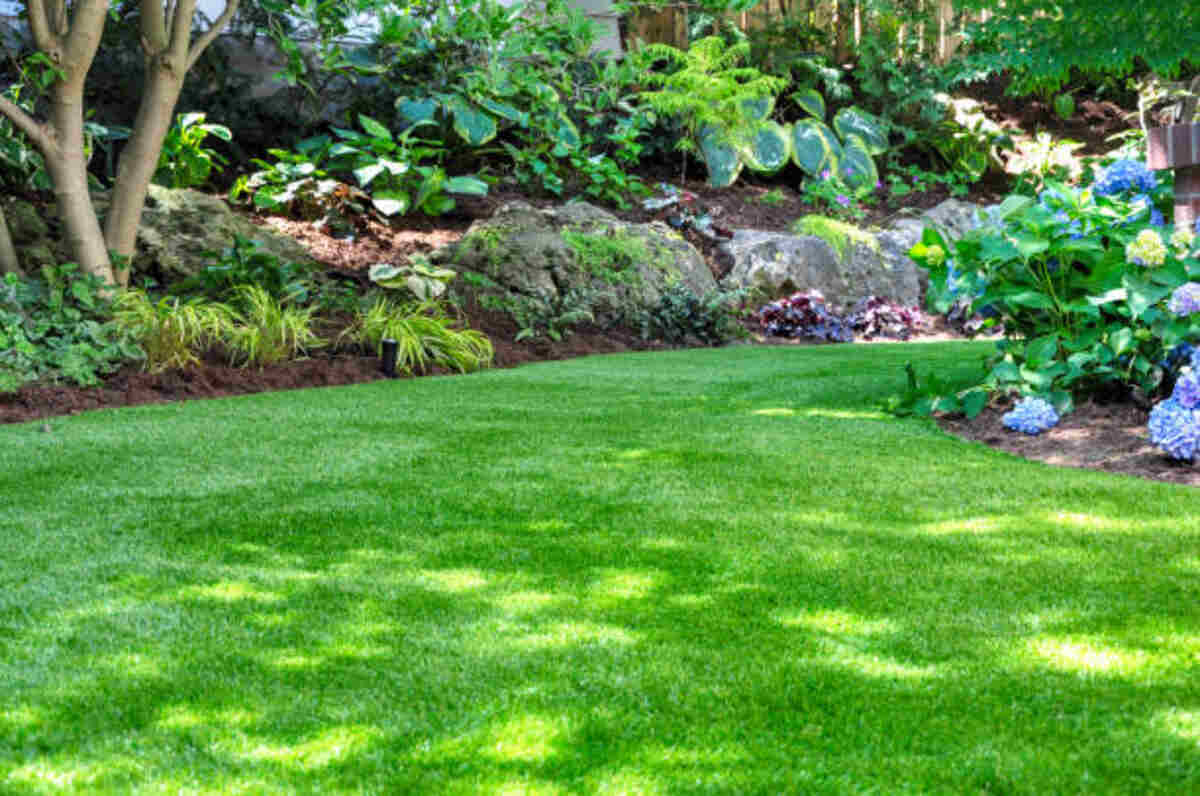

Hey there, fellow landscaping enthusiast! If you’re dreaming of transforming your mountain view property into a lush garden paradise, you’ve come to the right place. Working with mountainous terrain can be a bit tricky, but with the right tips and tricks, you’ll be able to create a stunning landscape that’s both beautiful and sustainable. Let’s dive into some practical advice to help you succeed in your mountain view landscaping journey. Have the Best information about landscaping mountain view ca.
Understanding the Challenges of Mountain View Landscaping
Mountainous areas come with their own set of challenges that can make landscaping a bit more complex than working on flat terrain. The steep slopes, rocky soil, and varying elevations can all pose obstacles, but don’t worry—these challenges can also offer unique opportunities for creativity and innovation.
Navigating Steep Slopes
One of the most common challenges in mountain view landscaping is dealing with steep slopes. These inclines can lead to significant soil erosion, which not only degrades the landscape but also makes it difficult for plants to establish themselves. To address this, terracing is a highly effective technique. By creating a series of flat steps or terraces, you can reduce erosion and create stable areas where plants can thrive. These terraces can also be aesthetically pleasing, adding a structured elegance to your landscape.
Additionally, consider using retaining walls to support your terraces. Retaining walls can be constructed from a variety of materials such as stone, brick, or wood, each adding its unique charm to the landscape. These walls not only prevent erosion but also serve as a canvas for climbing plants or as seating areas to enjoy the view.
Finally, plant selection plays a critical role in managing slopes. Opt for groundcover plants with strong root systems that can help anchor the soil. Plants like creeping juniper or Vinca minor are excellent choices for slope stabilization and can add vibrant greenery to your garden.
Dealing with Rocky Soil
Rocky soil can be a pain, but it also adds a natural beauty to your landscape. When planting, choose native plants that are well-adapted to the rocky terrain. These plants will have an easier time establishing themselves and will require less maintenance in the long run.
Beyond plant selection, consider incorporating rock gardens into your design. Rock gardens are a fantastic way to embrace the existing rocky landscape. They offer a unique aesthetic that blends seamlessly with the natural surroundings. Arrange rocks of different sizes and shapes artistically, then plant drought-resistant and alpine plants that thrive in such conditions.
Moreover, improve soil quality by amending it with organic matter. While you may not be able to remove all the rocks, adding compost and topsoil to planting areas can enhance drainage and nutrient availability. This approach enables plants to grow more robustly in less-than-ideal conditions.
Managing Water Runoff
Water runoff is another challenge in mountain view gardens. Proper drainage is essential to prevent erosion and ensure that your plants receive the right amount of water. Consider installing a rain garden or using swales to manage water flow.
In addition to rain gardens and swales, using permeable paving materials can aid in managing runoff. Materials like gravel, permeable pavers, or crushed stone allow water to seep through, reducing surface runoff and promoting groundwater recharge.
Furthermore, contouring your landscape can influence water flow. By shaping the land to direct water towards desired areas, you can ensure plants receive adequate moisture without pooling and potential flooding. This technique also assists in maintaining soil integrity on slopes.
Lastly, rainwater harvesting is an excellent strategy for managing water efficiently. Install rain barrels or cisterns to collect and store rainwater, which can then be used to water your garden during dry periods, reducing reliance on municipal water supplies and promoting sustainability.
Designing Your Mountain View Garden
Now that you understand the challenges, it’s time to get creative with your garden design. Here are some tips to help you make the most of your mountain view property.
Embrace Natural Features
Work with the natural features of your landscape rather than against them. Use the existing rocks and boulders as focal points or natural borders. Incorporating these elements into your design will help create a cohesive and harmonious look.
In addition to using rocks and boulders, consider the natural contours and elevation changes of your land. These can be utilized to create dynamic, multi-level gardens that offer diverse planting opportunities and visual interest. For example, a natural slope can be transformed into a cascading waterfall or a series of tiered flower beds.
Moreover, pay attention to the existing vegetation. Large trees or shrubs can be used to create shaded areas or windbreaks, enhancing the microclimate of your garden. These features not only add to the aesthetic appeal but also provide practical benefits, such as reducing soil erosion and providing habitats for wildlife.
Additionally, consider views and sightlines when designing your garden. Position seating areas or pathways to take advantage of breathtaking vistas, ensuring that each part of your garden offers a unique perspective of the surrounding landscape.
Choose the Right Plants
Selecting the right plants is crucial for a successful mountain view garden. Opt for native plants that are adapted to the local climate and soil conditions. These plants will be more resilient and require less maintenance. Consider using a mix of trees, shrubs, and groundcovers to add depth and variety to your garden.
Beyond native plants, consider the use of drought-tolerant species, especially if water availability is a concern. Plants like lavender, sage, and ornamental grasses are not only beautiful but also thrive in challenging conditions, reducing the need for irrigation.
Incorporate a diversity of plant types to create a balanced ecosystem. Trees can provide shade and structure, while shrubs add texture and density. Groundcovers can fill in gaps and help control erosion. This layered approach not only creates visual interest but also supports biodiversity by providing varied habitats for different species.
Furthermore, think about seasonal interest. Choose plants that offer color and texture throughout the year, ensuring your garden remains vibrant and engaging during all seasons. This can include flowering plants in spring and summer, vibrant foliage in autumn, and interesting bark or evergreen foliage in winter.
Create a Focal Point
A well-placed focal point can draw the eye and add interest to your landscape. This could be a stunning tree, a water feature, or a sculpture. Whatever you choose, make sure it complements the natural beauty of your surroundings.
When selecting a focal point, consider the scale and proportion relative to the surrounding landscape. A focal point should stand out without overwhelming the space. For instance, a large tree can anchor a garden, providing a vertical element that contrasts with the horizontal layers of the landscape.
Water features, such as ponds or small waterfalls, can add a sense of tranquility and movement. The sound of flowing water can enhance the sensory experience of the garden, creating a peaceful retreat. If space or resources are limited, even a simple birdbath or small fountain can serve as an effective focal point.
Artistic elements, like sculptures or garden art, can express personal style and add a unique touch to the garden. Choose pieces that resonate with the natural surroundings and reflect the overall theme of your landscape design. These elements can provide conversation starters and elevate the aesthetic appeal of your garden.
Practical Tips for Mountain View Landscaping
Ready to roll up your sleeves and get to work? Here are some practical tips to help you tackle your mountain view landscaping project with confidence.
Plan Your Project
Before you start digging, take the time to plan your project. Sketch out your ideas and make a list of the materials and plants you’ll need. This will help you stay organized and ensure that you have everything you need to bring your vision to life.
Begin by conducting a thorough site analysis. Understand the sun and shade patterns, wind directions, and soil conditions. This information will guide your design choices and plant selection, ensuring each element is placed where it will thrive.
Break your project into manageable phases. Tackling a large landscaping project can be overwhelming, but by dividing it into smaller, achievable tasks, you can maintain momentum and see progress more quickly. This phased approach also allows for adjustments and improvements as you learn what works best in your specific environment.
Additionally, consider setting a budget and timeline for your project. Being realistic about costs and time commitments will help prevent frustration and ensure a smooth execution. Prioritize areas of the garden that will have the most impact or address immediate needs, such as erosion control or privacy screening.
Use the Right Tools
Working with mountainous terrain requires some specialized tools. A sturdy wheelbarrow, a pickaxe, and a shovel with a pointed tip will be your best friends. Investing in quality tools will make your job easier and more efficient.
In addition to the basics, consider tools like a mattock or a hoe for breaking up rocky soil, and a level or plumb line for building terraces and retaining walls. These tools will help you achieve precision and effectiveness in your work, reducing physical strain and improving the quality of your results.
For planting, use tools that are ergonomic and designed for tough conditions. Hand trowels with sturdy handles and durable blades, as well as root saws for cutting through dense roots, can be invaluable in rocky or compacted soils.
Don’t forget about safety gear. Sturdy gloves, protective eyewear, and appropriate footwear are essential when working with heavy materials or sharp tools. Safety should always be a priority to ensure your landscaping adventure is both productive and injury-free.
Start Small
Don’t try to tackle your entire property at once. Start with a small area and gradually expand as you gain confidence and experience. This approach will help you manage your time and resources more effectively.
Select the most visible area or that you use frequently to begin your project. This will provide immediate satisfaction and motivation as you see your efforts transform a part of your landscape.
As you work on smaller sections, you’ll have the opportunity to experiment with different plants and designs, learning what works best in your specific conditions. This hands-on experience is invaluable and will inform your decisions as you expand to other areas of your property.
Gradually expanding your landscaping efforts also allows you to integrate new ideas and techniques as you discover them. The flexibility to adapt and improve your garden design over time ensures that your landscape continues to evolve and flourish.
Sustainable Practices for a Thriving Garden
Creating a beautiful mountain view garden is one thing, but maintaining it is another. By incorporating sustainable practices, you can ensure that your garden thrives for years to come.
Composting and Soil Health
Healthy soil is the foundation of a successful garden. Start a compost pile to recycle organic waste and improve your soil’s fertility. Adding compost to your garden will help retain moisture and provide essential nutrients for your plants.
Composting is not only beneficial for your soil but also for the environment. By recycling kitchen scraps and yard waste, you reduce landfill contributions and create a rich, nutrient-dense soil amendment. This organic matter enhances soil structure, improves water retention, and fosters beneficial microbial activity.
Consider vermicomposting as an alternative or addition to traditional composting. Worms can help break down organic material quickly, producing nutrient-rich worm castings that can be used to enrich your soil. This method is particularly useful in smaller spaces or where traditional composting might be less feasible.
Regularly test your soil to understand its nutrient content and pH level. Soil testing kits are widely available and can guide you in making informed decisions about amendments needed to optimize soil health and plant growth.
Water Conservation
Water is a precious resource, especially in mountainous areas. Implement water-saving techniques like drip irrigation and mulching to reduce water usage. Collect rainwater in barrels to use during dry spells.
Drip irrigation systems deliver water directly to plant roots, minimizing evaporation and runoff. This method is efficient and can be automated, ensuring consistent watering without waste. Paired with mulch, which helps retain soil moisture and suppress weeds, you can significantly reduce water consumption.
In addition to rain barrels, consider creating contour beds or keyhole gardens designed to capture and retain water. These methods take advantage of the natural landscape to maximize water use efficiency and reduce the need for supplemental irrigation.
Educate yourself on xeriscaping principles. This landscaping approach emphasizes water-efficient plants and design strategies that minimize water use, making it ideal for arid or drought-prone regions.
Wildlife-Friendly Gardening
Encourage biodiversity by creating a wildlife-friendly garden. Plant native flowers to attract pollinators and provide shelter for birds and other wildlife. Not only will this enhance the beauty of your garden, but it will also support the local ecosystem.
Create habitats by incorporating a variety of plant types and structures. Dense shrubs, tall grasses, and trees offer shelter, while flowering plants provide nectar and pollen for bees, butterflies, and other pollinators. Consider installing birdhouses, feeders, or water features to attract and support avian visitors.
Use organic gardening practices to protect wildlife from harmful chemicals. Avoid pesticides and herbicides, opting for natural alternatives or integrated pest management strategies. This not only protects beneficial insects but also ensures a safe environment for all garden visitors.
Participate in conservation efforts by planting species that support endangered or threatened local wildlife. Research which plants are most beneficial to specific species in your area and incorporate them into your design, contributing to broader ecological preservation efforts.
Conclusion: Your Mountain View Landscaping Adventure Awaits
With these tips and tricks, you’re well on your way to creating a stunning and sustainable mountain view garden. Remember to embrace the challenges and let your creativity shine. Whether you’re a seasoned landscaper or a novice gardener, the key is to enjoy the process and learn from each experience. So grab your tools, roll up your sleeves, and start transforming your mountainous terrain into the garden of your dreams. Happy gardening!
